



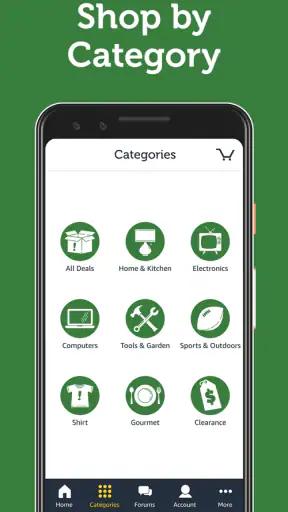

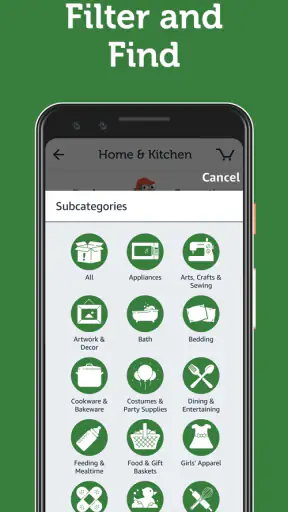
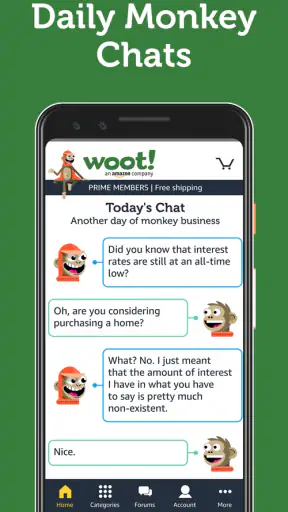
I approached Woot! Deals and Shenanigans as a shopping app for people who enjoy browsing as much as buying. It is not built around a single department or a carefully planned shopping list. Instead, it puts changing deals, popular products, and Woot’s playful voice in one place. That makes it appealing when I want to discover something useful, unusual, or simply entertaining, but less ideal when I already know the exact item and want the fastest possible checkout.
Woot.com developed this free shopping app, which is available for Android devices running version 7.0 or later. It carries an Everyone 10+ content rating, and its current version is 6.2.2. The app has been available since November 10, 2015, so it is not a new experiment in mobile shopping. It has grown into a familiar option for deal hunters, with more than a million installs and an average score of 4.4 from roughly twenty-two thousand ratings.
How I Decide Whether Woot Fits My Shopping Habits
It is best judged as a discovery tool, not just a store window
The first question I would ask is whether you like shopping by intention or by opportunity. If you open a shopping app with a product name, model, and acceptable price already in mind, a conventional retailer may feel more direct. If you enjoy checking what has appeared today and deciding whether a deal is worth your attention, Woot has a more natural rhythm.
That difference matters because the app’s personality is part of the experience. Woot does not feel like a silent catalog. Its humor and informal presentation make browsing less sterile, which I found useful during those moments when I was not shopping for an urgent item. The tone will not appeal to everyone, but it gives the app a recognizable character rather than making it feel like another generic marketplace.
My practical decision criteria are simple: how much time you want to spend browsing, how comfortable you are with changing inventory, and whether you value entertainment alongside convenience. I would also consider how carefully you compare products before purchasing. A deal can look attractive because of its presentation, yet still require a pause to check the description, size, compatibility, condition, or included accessories.
The app works well for several everyday situations
I can see myself opening it during a commute, a lunch break, or a quiet evening when I want to browse without committing to a specific purchase. It is also useful for people who enjoy finding practical household items, electronics, gifts, or odd little products that would not have appeared on a focused shopping list. The best use is not necessarily “I need this immediately,” but “I am willing to look around and recognize value when I see it.”
A realistic example would be someone preparing for a move. They may need storage items, small appliances, accessories, and basic home goods, but not know which product deserves attention first. Woot can turn that broad need into a browsing session. The trade-off is that the app may encourage impulse decisions, so I would keep a short list of what I actually need and compare each tempting item against it before paying.
Another useful scenario is gift hunting. Instead of searching endlessly for one perfect product, I could browse several categories and notice something that matches a friend’s hobby or daily routine. The app’s playful style makes that process less tiring. Still, I would not rely on it for a time-sensitive gift unless I had already checked the relevant delivery details and felt comfortable with the available choice.
What I look at before trusting a deal
My most important habit with this app is slowing down at the product page. I would read the full description, inspect the images carefully, and look for details that affect real-world usefulness. With deal-focused shopping, the headline price is only one part of the decision. A lower price is not automatically a better purchase if the item is the wrong size, lacks an accessory I need, or does not fit my existing setup.
I also separate “interesting” from “necessary.” That sounds obvious, but a discovery-oriented app makes the distinction easy to lose. One practical method is to add an item mentally to a one-day waiting list: if I still want it after considering where it will be used, how often it will be used, and what it replaces, then it deserves further attention. If the appeal disappears as soon as the joke or novelty wears off, I skip it.
The strongest Woot habit is deliberate browsing: enjoy the surprise, then verify the practical details before buying. That approach lets me benefit from the app’s deal-hunting atmosphere without treating every highlighted product as an urgent opportunity.
Where the app wins against ordinary shopping routines
Woot’s biggest advantage is the combination of changing deals and a distinct voice. Many shopping apps are efficient but emotionally flat. They help me search, filter, and purchase, yet they rarely make browsing feel like an activity in itself. Woot is better when I want a small break from routine and am open to exploring products I did not plan to search for.
It also suits shoppers who want one place for varied categories rather than a specialist app for every type of purchase. I can move from best-selling products to less predictable finds without changing platforms. That broad approach is convenient for casual discovery and gift ideas, especially when I do not yet know the exact brand or model I want.
The app’s established presence is another modest advantage. It was released on November 10, 2015, and the current Android version is 6.2.2. I would not treat age or version information as proof that every individual experience will be perfect, but it does make the app feel like a maintained shopping product rather than a temporary promotional tool.
Why the rating and audience still need context
An average rating of 4.4 is encouraging, and the app has close to ten thousand written reviews. I read that kind of feedback as evidence that many users find the experience worthwhile, not as a guarantee that every deal or order will suit me. Shopping apps are especially dependent on expectations: one person may love the surprise and humor, while another may find the same presentation distracting.
The Everyone 10+ rating also gives a general sense of the intended audience. I would still treat purchases as an adult responsibility and avoid handing the app to a child as an unsupervised source of shopping decisions. The rating tells me about content suitability, not whether a product is appropriate for a particular household or budget.
Where a different shopping app may fit better
I would choose a conventional retailer first when I need a specific item quickly and want a familiar search process. A large general marketplace is usually more comfortable for comparing many sellers, checking exact variants, or finding a replacement by model number. Woot is not the app I would open when I need to eliminate uncertainty as fast as possible.
A specialist retailer may also be better for products that require detailed technical guidance. If I were choosing a component that must match a particular device, or equipment where specifications matter more than price, I would prefer a category-focused store with deeper filtering and clearer comparison tools. Woot can still be part of the search, but I would not make it my only source.
Price-comparison tools have a different strength as well. Their purpose is to show competing offers for a known product, while Woot is more naturally suited to discovering what is available in its own shopping environment. If my goal is to prove that I am getting the lowest current price for an exact item, I would use a comparison-oriented option before deciding.
There is also a personality trade-off. Some shoppers enjoy Woot’s jokes and informal tone; others want shopping to be quiet, neutral, and purely functional. If I find myself skipping descriptions because the presentation feels too busy, or if I dislike browsing products without a fixed plan, switching to a simpler retailer would probably improve my experience rather than reduce it.
The hidden cost of switching from browsing to buying
The cost of using Woot is not the download price because the app itself is free. The more important cost is attention. A discovery app can lead me to spend more time looking and potentially more money buying. I would therefore treat it as a tool that needs boundaries: browse with a purpose, check the total decision carefully, and do not confuse entertainment with savings.
There is also a mental switching cost when moving between Woot and other shopping services. Woot may introduce an appealing product, but I might still need another app or browser search to compare specifications, reviews, compatibility, or alternatives. That extra step is worthwhile for expensive or technical purchases. For a small, straightforward item, it may feel unnecessary and make the process slower than using a single retailer.
My workaround is to divide purchases into two groups. For low-risk items where the description answers my questions, I can decide within the app. For anything expensive, safety-related, size-sensitive, or difficult to return, I pause and verify it elsewhere before committing. This keeps Woot useful without asking it to perform the job of a full research platform.
Tips that make the experience more useful
First, I would browse when I have time to think, not when I am distracted or rushed. The app’s entertainment value is strongest when I can enjoy the presentation without letting it make the decision for me. A short, focused session is better than endlessly scrolling while tired.
Second, I would use a “replacement test.” Before buying, I ask what existing item this will replace or what specific problem it solves. This is especially helpful for household products and accessories, where a low-cost deal can still create clutter. If it has no clear role, I leave it alone.
Third, I would pay special attention to variations. A product can look suitable in a general image but differ in color, capacity, size, or configuration. I would confirm the selected option immediately before purchase rather than assuming the first image represents the exact version I am ordering.
Fourth, I would treat best-seller visibility as a starting point, not a final recommendation. Popularity can help me find ideas, but it does not tell me whether an item fits my needs. I prefer to use those sections to generate a shortlist, then make the actual decision based on the product details and my own use case.
Who should install it, and who should skip it?
I recommend Woot to curious shoppers who enjoy daily deal browsing, appreciate a humorous presentation, and are comfortable making decisions after a little product checking. It is particularly appealing for gift discovery, casual home shopping, and those moments when I want to see what is available rather than search for one predetermined item.
I would be more cautious recommending it to someone with a strict shopping routine, a fixed list, or very specific technical requirements. If you dislike impulse-oriented browsing, want extensive side-by-side comparisons, or need the most predictable path from search to purchase, another shopping app will likely feel more efficient.
I would also skip it as my only shopping tool if I regularly buy products that depend on exact compatibility or professional specifications. In those cases, Woot may surface a useful deal, but a specialized retailer or comparison service is a safer primary choice. The app is strongest as an additional place to discover value, not as a universal replacement for every shopping method.
My final recommendation
After using it as a browsing-first shopping app, I see Woot as a good companion for people who like the hunt. It brings together changing deals, popular products, and a sense of humor that makes ordinary shopping feel less mechanical. The free entry point removes an obvious barrier, and its long availability, more than a million installs, and 4.4 average rating suggest that the format has found a substantial audience.
My recommendation is positive, with one condition: use it intentionally. I would install it if I wanted entertaining deal discovery, gift inspiration, or a broader look at products outside my usual routine. I would not replace every retailer with it, especially for urgent, highly technical, or specification-heavy purchases.
Woot is worth trying when discovery is part of the fun, but the best savings still come from careful decisions rather than from the excitement of seeing a deal. If that balance sounds right for you, this app can earn a regular place in your shopping routine. If you want only speed, certainty, and exhaustive comparison, choose a more conventional alternative and keep Woot as an occasional source of ideas.


